
By: Joe Edwards
Updated: January 30, 2026

By: Joe Edwards
Updated: January 30, 2026
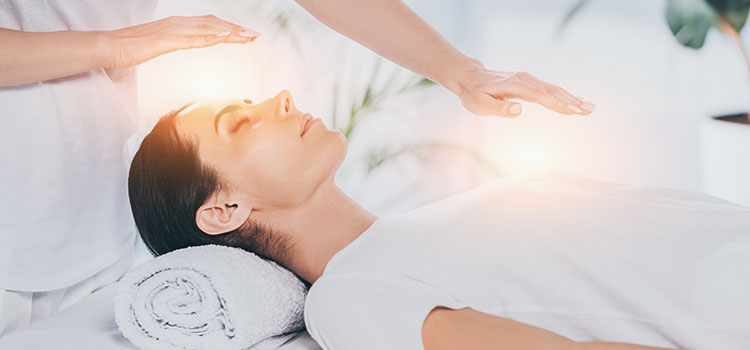
Improving the flow of energy in a person’s body, polarity therapy brings greater balance to the whole system through four therapeutic techniques: bodywork, nutrition, exercise, and self-awareness.
We cover what you’ll need to do and know to get started as a registered polarity practitioner (RPP). Such as the required training, degree types/availability, and earning your certification.
In This Article
Polarity therapy, or “energy medicine,” is an alternative form of touch therapy that uses a combination of eastern and western techniques. These techniques revolve around the flow and balance of energy within the human body and mind.
A defining model for energy medicine, polarity training teaches that disease, pain, and stress result from underlying energy imbalances in our body, mind, and spirit. These imbalances are connected to one’s balance in life and overall flow of energy.
Polarity therapy differs from similar forms of alternative therapy, such as Reiki, due to its usage of bipolar contact. Bipolar contact involves using both hands by placing them on opposing energy locations—this contact aims to alleviate the improper balance or flow of energy within a person.
A defining belief of polarity therapy is that energetic charges in the electromagnetic field can control and affect a person’s energy levels. This differs again when compared to Reiki therapy, as Reiki therapists practice with the belief that a human’s energy level can run low regardless of electromagnetic fields and their charges.
The underlying premise is applying a deep understanding of electromagnetic fields and their effects on one’s own mind and body. With this understanding, therapists apply both hands-on polarity massage and touchless techniques to clients.
Therapists aim to improve the flow and balance of energy within their clients. Therefore, improving a client’s mental and physical health.
Once a polarity therapist reads their client, they develop a plan to alleviate their clients’ ailments and meet their overall needs. Massage-like techniques mixed with eastern medicinal traditions, help polarity therapists choose the right approach for each client.
Similar to the practice of guided imagery, et different enough—this alternative form of therapy is used for myriad diseases and mental or physical ailments such as:
It is important to note that polarity therapy is applied to heal or alleviate many ailments other than those listed above. However, no objective evidence supports or showcases the effectiveness of polarity therapy. Regardless, a large community of people reports positive health benefits as a result of polarity treatments.
Aside from the conditions listed above, polarity therapy is used for a large spectrum of different problems. Clients seek polarity treatment for both mental and physical health issues.
Polarity therapy revolves around the idea that a human’s energy levels respond to the earth’s electromagnetic fields and require upkeep. This upkeep, or energy maintenance, requires a polarity therapist to have a consistent understanding of a client’s medical record.
Polarity massage and therapy may help blunt the effects of other, difficult medical processes such as surgery. Although there is no scientific data that supports this idea, many find solace in their sessions after undergoing invasive medical procedures.
Others report that it expedited their healing or recovery times. Therefore, some athletes utilize polarity therapy to train, perform and recover quickly. In addition to the sports massage therapy option at their disposal.
Typical polarity therapy sessions start with a patient interview and evaluation. Bodywork involves gentle stretching and pressure-sensitive touch that may help increase a client’s self-awareness of subtle energetic sensations.
Clients may leave a session feeling exceptionally relaxed and experience relief from different conditions, including hypertension and anxiety.
Massage and holistic healing schools may offer education programs in polarity therapy as well as classes that help fulfill continuing education credits in other natural healing fields.
The American Polarity Therapy Association (APTA), which sets the standards of practice and education for this profession, requires a minimum of 155 hours of study to become an Associate Polarity Practitioner (APP) and 675 hours of study to become a Registered Polarity Practitioner (RPP).
Massage therapy and healing arts schools offer polarity therapy career training through full-time, semester-long courses as well as in a series of multi-day seminars offered throughout the year.
Polarity therapists who complete an approved training program can register with the APTA.
Registering as a polarity therapy practitioner indicates that you meet the standards set for education, skills, and competencies that the APTA has established and that you have committed to staying current in your profession through continuing education opportunities.
According to the U.S. Bureau of Labor Statistics (BLS) current Occupational Outlook Handbook, massage therapists—the occupation under which polarity therapists are categorized—can anticipate an increase in employment of around 15.4% through the year 2031. This is a faster job growth rate than the national average for all other career fields combined, which rests at 5% says the BLS.
Some reasons for the job growth in massage-oriented professions include the increasing popularity of touch therapy and natural health alternatives combined with an expanding spa and wellness industry.
As mentioned, being a practitioner of polarity therapy requires a deep understanding of the human energy system, physiology, bodywork, and the impact of nutrition. Additionally, you should feel comfortable working one-on-one with patients in a quiet environment and have strong communication skills.
If you are interested in becoming an RPP (registered polarity practitioner), take a closer look at polarity training courses. Then choose the polarity massage program that meets your personal and professional needs.
Polarity therapy is a great alternative medicine career option to educate yourself about and potentially pursue. Especially if interested in helping others through natural means.