
By: Natural Healers Staff
Updated: February 2, 2026

By: Natural Healers Staff
Updated: February 2, 2026
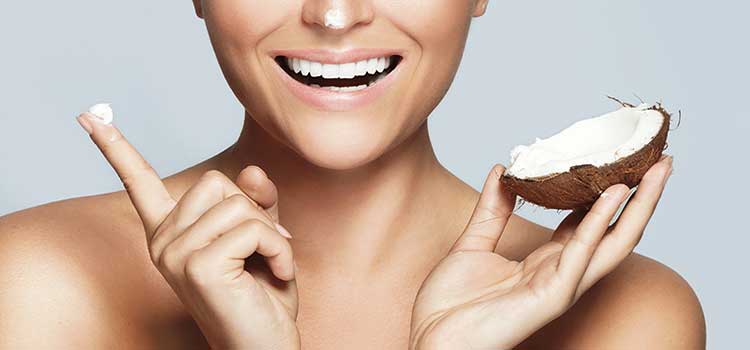
Coconuts have made it to the mainland–and the mainstream. Used for centuries in folk medicine, coconut oil is enjoying a resurgence in popularity here in America. Although scientific studies have provided mixed results on its potential health benefits, there’s no doubt about its versatility in kitchens and medicine cabinets alike.
There are many different ways you can utilize coconut oil’s unique properties for various home and beauty benefits including for your skin and hair. Next time you’re at the grocery store, consider picking up a jar so you can try out some of these methods and recipes yourself.

If the idea of too much saturated fat keeps you from storing a jar of coconut oil in your pantry, consider adding the ingredient to your skincare routine. Coconut oil is an emollient which means it can zap away dry skin. Here’s a look at how you can use coconut oil topically:

Skin moisturizer A study on humans revealed coconut oil increases hydration and reduces evaporation in the skin.

Makeup remover Looking for a natural eye makeup remover? Swipe a bit of coconut oil across your lids to remove gunky mascara. The extra bonus? Lashes get an extra hit of hydration from the oil.

Sunscreen Coconut oil has an SPF of 4 so it can provide a little protection from the sun. However, if you plan on being outside for an extended period, it’s a good idea to use a higher SPF.

Lip balm The luscious oil gives way to smooth lips in no time. Plus, it tastes good!

Mosquito repellent According to the United Coconut Associations of the Philippines, a combination of cooked lemongrass and coconut oil will keep the bugs away.

First aid cream Protects scrapes and cuts with a thin layer of coconut oil.

Treat atopic dermatitis One study found virgin coconut oil may help in the proactive treatment of skin infection.

Shaving cream An affordable and natural alternative to commercial shaving creams, coconut oil can be applied directly to legs and underarms.

Eczema Coconut oil’s anti-inflammatory properties may calm an eczema flare-up.

Baby acne Some mothers find coconut oil helps soothe their baby’s dry skin caused by acne. While the rash typically disappears on its own, the coconut oil can help naturally moisturize a baby’s gentle skin.

Bath oil Add the aromatic oil to a warm bath. The scent will remind you of the tropics while the oil provides an all-over moisturizing treatment.

Cheekbone highlighter Prevention.com found a new way to make your skin glow. Give your face a boost by swiping a touch of oil across your cheekbones (on top of your makeup).

Cure cracked heels Add coconut oil to a homemade salve and apply to dry, cracked feet. In his book, The Coconut Oil Miracle, author Bruce Fife, C.N., N.D., notes that cut or cracked skin allows infection-causing germs to enter the body. Applying a coconut oil-based lotion can “reestablish the skin’s natural antimicrobial and acid barrier.”

Body scrub Combine ½ cup of softened coconut oil and ½ cup of coffee grounds. Mix them together and pour into a mini loaf pan. Freeze and then store in the refrigerator in between body-soothing treatments.

Toothpaste Make a natural toothpaste at home by combining equal parts baking soda and coconut oil. Add mint essential oil for flavor.

Eye cream Dab a small amount of coconut oil around the eyes as you would a regular eye cream. Let it absorb while you sleep.

Cuticle treatment Heal dry, cracked cuticles with a dab of cuticle oil.

Vapor rub Mix coconut oil and peppermint essential oil to help clear congestion.

Athlete’s foot Massage coconut oil into clean, dry feet. The antifungal properties are said to help combat this itchy ailment.

Bee stings Apply a bit of coconut oil after removing the stinger.

If coconut oil can moisturize the skin, you can be sure it has the same effect on hair.

One study found that coconut oil’s antifungal properties may be effective against candida fungal infections.
Candida albicans is a fungus normally found in guts of humans and animals. But if it gets out of control, it can lead to infection. The research, done on mice, looked at how different oils affected the colonization of fungus. After 21 days, mice that were fed coconut oil had a “10-fold drop” of C. albicans colonization compared to mice fed on beef tallow, soybean oil or standard diets. The researchers acknowledge more research must be done but, coconut oil could hold promise for patients suffering from drug-resistant strains of the fungus.

Humans aren’t the only ones who can benefit from coconut oil’s moisturizing powers. The oil can also be used to help dogs and cats with dry skin. Here are a few ways to harness the power of coconut for Fido and Fluffy:
Fight fleas: Brush your pet with coconut oil every few weeks and cover with a sweater
Heal wounds: Apply a small amount of virgin coconut oil to the cut or scrape
Promote digestion: Add coconut oil to your pet’s food each day. (Check with your veterinarian for the appropriate amount based on your pet’s weight)
Moisturize dry noses and pads: Apply oil to crusty noses and paw pads
Before using coconut oil on your pet, consult your veterinarian.

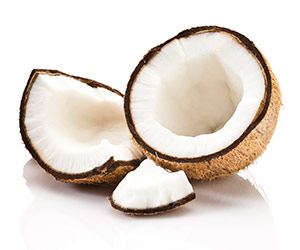
When you begin your search for the right coconut oil, you’ll quickly realize you’ll be spoiled for choice. As the coconut oil craze heats up, more brands are entering the marketplace. Don’t be discouraged if it takes a bit of trial and error to find the right product. You’ll need to consider factors such as flavor and price.
All coconut oil production begins with the meat of a mature coconut. To distill the oil, all water, proteins and fibers must first be removed from the nut. The removal method determines the quality of the coconut oil.
However, it’s always a good idea to research the producer and seller of the product you’re considering. Many of them provide background on how they bring their coconut oil to your local store’s shelves.

Coconut oil has a longer shelf life than many of its counterparts due to its higher saturated fat content.
It should be stored in a dark place and can be refrigerated (but doesn’t have to be).
Virgin coconut oil can last as long as three years before going bad. Refined coconut oil typically lasts about 18 months


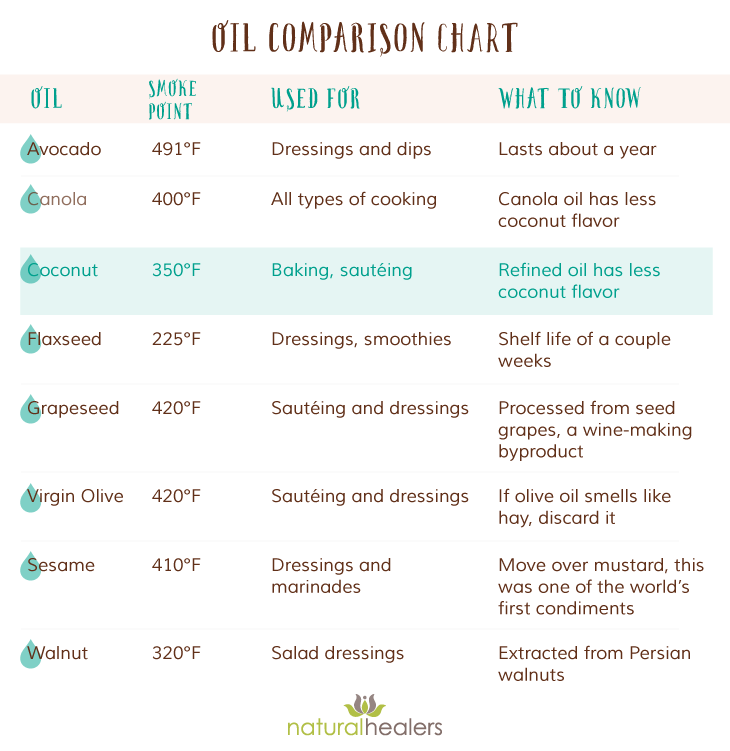
Adored by vegans as a butter replacement and used in Asian cooking for centuries, coconut oil is becoming a mainstay in the home chef’s kitchen. With its high smoke point (350 degrees Fahrenheit), it’s perfect for frying and sautéing. Its unique flavor gives food a kick and the oil’s richness keeps baked goods moist and fluffy. Many snackers even “butter” their popcorn with coconut oil.
Keep in mind that virgin coconut oil can give off a stronger coconut flavor than its refined counterpart.
At room temperature, coconut oil is in solid form and white in color. Its melting point is approximately 76 degrees Fahrenheit. Once melted, it looks like any other cooking oil.
As coconut oil’s popularity increases, you won’t have a hard time finding suggestions on how to cook with it. We rounded up six of our favorite recipes which include coconut oil.
Coconut Oil Biscuits (wholefoodsmarket.com)

Whole Wheat Muffins “The Coconut Oil Miracle” by Bruce Fife, MD

Coconut Granola (twopeasandtheirpod.com)

Coconut Oil Roasted Sweet Potatoes (healthhappylife.com)

Coconut Walnut Squash (allrecipes.com)

Nutty Coconut Energy Truffles (eatplaybe.com)
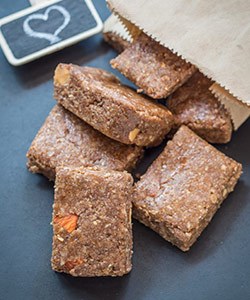
The old standbys—olive and canola oils—have plenty of company these days. From avocado oil to flaxseed oil, it can be tricky to determine which suits your cooking best.

It’s certainly easier to pick up a jar of coconut oil at your local health food store, but making your own at home is a great money-saving option. Follow these steps using a mature (brown) coconut:
