
By: Natural Healers Staff
Updated: February 2, 2026

By: Natural Healers Staff
Updated: February 2, 2026
Learn How to Become an Ortho-Bionomy® Practitioner
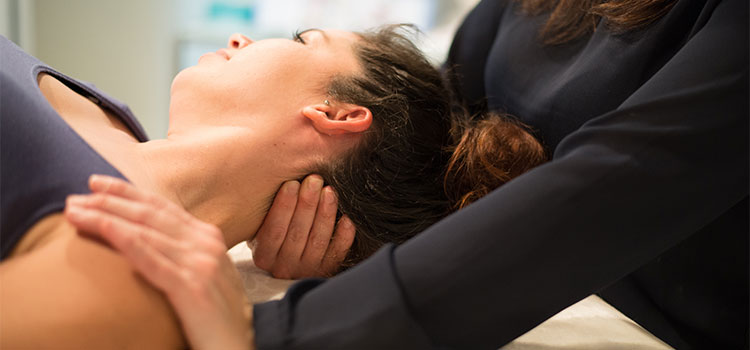
Based on principles of osteopathy, Ortho-Bionomy® is a gentle, non-invasive body therapy that can help alleviate chronic muscle tension and stress, soothe the joints, increase flexibility and relax the entire body.
No forceful manipulation or deep muscle probing is utilized. Ortho-Bionomy® can be incredibly effective in the release of acute and chronic pain associated with structural tension or imbalance. These techniques increase circulation and provide a greater sense of well-being.
Students of Ortho-Bionomy® training learn how to move and position the body to help facilitate changes in stress and pain patterns, emphasizing the comfort of the patient.
In session, the Ortho-Bionomy® practitioner stimulates the body’s natural abilities to self-correct and self-balance using movements and gentle compression.
Treatment is usually delivered on a massage table, in a chair or even while standing up. Without force, the practitioner will position the body in the direction of comfort so as to encourage its natural reflexes, which, in addition to reducing pain, calms the mind.
Sessions typically last an hour, and the number of sessions needed depend on the severity of a patient’s condition and how the patient reacts to treatment.
Along with bodywork, Ortho-Bionomy® practitioners teach students home exercises and practices that can further induce the body’s self-healing processes, creating greater balance and alignment.
Ortho-Bionomy® is often referred to as the homeopathy of bodywork. Just as homeopathy is done with the gentlest, smallest dose of a remedy to effect cures, Ortho-Bionomy® uses the least amount of movement possible to re-stimulate the body’s natural reflexes and relieve pain.
You will find training classes available through massage schools and homeopathy schools as well as Ortho-Bionomy® seminar programs. Typical Ortho-Bionomy® training course work will cover the following:
Typically, Ortho-Bionomy® training requires 500 hours or around 18 months of combined classroom and hands-on practice time.
Depending on the massage or homeopathy school program, you can enroll as a full-time student or take week long or weekend Ortho-Bionomy® training seminars to fulfill continuing education requirements in your natural health profession.
Tuition for massage and homeopathy school programs in Ortho-Bionomy® ranges from $250 to $500 per class. Some schools will offer financial aid to help students cover tuition costs.
At the end of your Ortho-Bionomy® training, you qualify as a registered Ortho-Bionomy® practitioner. Because the practice is considered a sub-field of massage therapy, many Ortho-Bionomy® students earn their state or national licensure through massage school or are currently licensed massage practitioners seeking continuing education credits.
The Bureau of Labor Statistics (BLS) shows that employment of massage therapists will grow at a faster than average rate (15.3% growth through 2035). In a large part, the public’s ongoing interest in using natural healing alternatives, particularly bodywork, to relieve pain, injuries and stress will attribute to the high rate of job growth for massage therapists.
You can research massage therapist salaries by state along with job growth figures from the BLS here:
Specialized massage therapists, like Ortho-Bionomy® practitioners, who find the right market for their skills can increase their earning potential.
A career in Ortho-Bionomy® requires advanced training in anatomy, physiology and bodywork as well as a keen understanding of the philosophy that less movement can effect greater healing.
As in any massage therapy practice, you also need to have the business and marketing expertise to build a successful practice with a solid client base.
If you want to learn Ortho-Bionomy®, take a closer look at massage therapy schools and homeopathy schools. Then choose the training program that meets your personal and professional needs.
Sources: Associated Bodywork & Massage Professionals, LocalHealers.com, Ortho-Bionomy.org, Overmyer, Luann. “Journal of Ecologically Sustainable Medicine”