In the bustling metropolis of New York, stress and fast-paced living can take a toll. Western medicine is a mainstay, but chiropractic care is gaining popularity as a holistic alternative to health and wellness. More and more New Yorkers are turning to chiropractors to find relief from pain, improve their mobility and enhance their overall well-being.
Chiropractors play a vital role in the health and wellness landscape. They offer a drug-free, non-invasive approach to addressing a wide range of conditions. By focusing on the intricate connection between the spine, the nervous system and the body’s innate healing abilities, chiropractic care is restorative, bringing patients a sense of balance and relief from persistent aches.
Unlike traditional medical approaches that often focus on symptom management, chiropractic care takes a holistic view, considering the whole person—mind, body and spirit. Chiropractors in New York are dedicated to helping patients achieve long-term wellness through personalized care, lifestyle modifications and patient education. What are the benefits of chiropractic care?
Drug-free pain relief, for one. Chiropractors use manual adjustments and other techniques to address pain and discomfort without relying on medication. In fact, medication goes against the philosophy of chiropractic care. They believe that the body can heal itself, and that medication is a short-term fix that masks symptoms without addressing the underlying cause.
Chiropractors provide their patients with improved mobility and function too. By realigning the spine and joints, chiropractors are able to alleviate tension and reduce stiffness or soreness. Chiropractic adjustments can help restore joint mobility, reduce stiffness and improve range of motion.
More than that, Chiropractors enhanced their patient’s overall wellness. By addressing the root cause of pain and dysfunction, chiropractic care can improve overall health and well-being in a way that Western medicine can’t. By addressing the root of a patient’s problem, chiropractic treatment often has better long term outcomes.
If you’re interested in a career that combines a passion for natural healing with a dedication to helping others achieve optimal health, becoming a chiropractor in New York could be the perfect path for you. Let’s take a closer look at what the pathway to becoming a chiropractor looks like.
Chiropractors in NY must complete between six and eight years of coursework and log working hours as a chiropractor in order to earn their Doctor of Chiropractic credential—the minimum requirement to earn a license as a chiropractor.
After completing a quality program accredited by the Council on Chiropractic Education (CCE), students will then need to demonstrate their competency by passing a series of rigorous examinations administered by the National Board of Chiropractic Examiners (NBCE). These exams are designed to assess knowledge and skills in various areas of chiropractic practice, ensuring you meet the standards required for safe and effective patient care.
Once you’ve successfully completed your Doctor of Chiropractic education and passed the NBCE exams, you’ll finally be ready to apply for licensure in New York. This process is managed by the New York State Education Department Office of the Professions and can only be completed after all requirements have been satisfied.
Educational requirements
The path to becoming a chiropractor in New York requires dedication and a commitment to academic excellence. Let’s look at a breakdown of the educational pathways that prospective chiropractors can expect to take.
Undergraduate studies
A solid foundation in science and a deep understanding of the human body is a crucial part of every chiropractor’s education. There will be a strong focus on coursework in science and anatomy. Majors like human biology, exercise science or kinesiology provide an in-depth study of the musculoskeletal system, anatomy, physiology and biomechanics, which are essential for chiropractic practice.
You may choose to major in subjects such as:
Biology, which provides a comprehensive understanding of living organisms, their structure and function.
Chemistry, which develops knowledge of matter, its properties and how it interacts.
Physics, which explores the fundamental principles of motion, energy and forces, which are relevant to understanding biomechanics and chiropractic adjustments.
There’s no mandatory pre-chiropractic bachelor’s degree, but many chiropractors consider degree options such as:
Human biology: Focuses specifically on the human body, its anatomy and physiology.
Kinesiology: Explores the science of human movement, relevant to chiropractic adjustments and rehabilitation.
After you complete your undergraduate program, you will apply to a Doctor of Chiropractic program. In order to apply, you will have to meet GPA requirements, typically around 3.0 or higher. Each school and program are unique; research the requirements for the schools that you are most interested in to get a better understanding of what, specifically, you’ll need.
Doctor of Chiropractic (DC) program
The Doctor of Chiropractic (DC) program is a rigorous professional degree program wherein students undergo immersive training to become experts in the diagnosis, treatment and prevention of musculoskeletal disorders, particularly those related to the spine. Their education blends classroom learning with hands-on clinical experience.
DC programs generally require a minimum of four academic years of full-time study, including clinical internships and practical experience. The curriculum covers a wide range of subjects. Some of the most common courses you’ll take during your DC include:
Basic sciences:
Anatomy and physiology: In-depth study of the human body’s structure and function, with a focus on the musculoskeletal system, nervous system and spine.
Biochemistry: Exploring the chemical processes within and related to living organisms.
Pathology: Understanding the nature of diseases, their causes, processes, development and consequences.
Microbiology and immunology: Studying microorganisms and the immune system’s response to them.
Chiropractic sciences:
Principles of chiropractic: Covers the philosophy, history and principles underlying chiropractic care.
Spinal anatomy: Detailed study of the structure and function of the spine.
Chiropractic techniques: Hands-on training in various chiropractic adjustment techniques, including diversified, Gonstead, Thompson and Activator methods.
Diagnosis: Learning diagnostic procedures, including physical examinations, orthopedic tests and neurological assessments.
Radiology: Interpretation of X-rays and other imaging techniques to diagnose spinal and musculoskeletal conditions.
Clinical sciences:
Clinical nutrition: Understanding the role of nutrition in health and disease and how to provide dietary advice to patients.
Rehabilitation: Developing exercise and rehabilitation programs for patients.
Physiology: Exploring the function of the human body’s systems.
Neurology: Studying the nervous system and its disorders.
Orthopedics: Focusing on the musculoskeletal system, including bones, joints, muscles, ligaments and tendons.
Patient communication: Developing effective communication and patient education skills.
Practice management: Learning the business aspects of running a chiropractic practice.
Ethics and jurisprudence: Understanding the legal and ethical considerations related to chiropractic practice
It’s important to note that choosing a quality program—one that is accredited by the Council on Chiropractic Education (CCE)—is an important part of your chiropractic education.
National Board examinations
The National Board of Chiropractic Examiners (NBCE) exams serve several important purposes. They provide a standardized assessment to evaluate the competency of chiropractic graduates across different programs and institutions. They also providepublic protection, assuring the public that chiropractors have met a minimum level of knowledge and skill to practice safely and effectively. They also serve as a licensing requirement; Passing scores on the NBCE exams are a mandatory requirement for obtaining a chiropractic license in New York and most other states.
The NBCE exams are divided into multiple parts, each focusing on different aspects of chiropractic knowledge and skills:
Part I: Assesses your understanding of basic science knowledge essential for chiropractic practice, including general anatomy, spinal anatomy, physiology, chemistry, pathology and microbiology.
Part II: Evaluates your knowledge and application of clinical science concepts, including general diagnosis, neuromusculoskeletal diagnosis, diagnostic imaging, principles of chiropractic, chiropractic practice and associated clinical sciences.
Part III: A practical exam that assesses your clinical skills in areas such as case history, physical examination, chiropractic technique, diagnostic imaging and neuromusculoskeletal diagnosis.
Passing the NBCE exams is a crucial step toward becoming a licensed chiropractor in New York. Without passing scores, you will not be eligible to apply for licensure and practice in the state. These exams serve as a critical benchmark to ensure you possess the necessary knowledge and skills to provide safe and competent care to patients.
New York chiropractic licensure
After completing your Doctor of Chiropractic education and passing the NBCE exams, you’re ready to apply for licensure in New York. This process is managed by the New York State Education Department Office of the Professions. Here’s an overview of the requirements:
Application process
Online application: You’ll need to create an account and complete the online application through the New York State Education Department website.
Application forms: Download and complete the required forms, including the Application for Licensure and the Child Abuse Reporting Form.
Supporting documents: Gather supporting documents, including official transcripts from your chiropractic college, NBCE score reports and proof of identification.
Fees
Application fee: Pay the non-refundable application fee. The fee amount can be found on the Office of the Professions website.
Licensure fee: Once your application is approved, you’ll need to pay the licensure fee to receive your license.
Background checks
Criminal history background check: You’ll be required to undergo a criminal history background check, which may include fingerprinting.
Child abuse registry check: You’ll need to complete the Child Abuse Reporting Form to verify you are not listed on the New York State Child Abuse Registry.
Passing scores on NBCE exams
Submit official score reports: Submit your official NBCE score reports directly from the NBCE to the Office of the Professions.
Passing scores: You must achieve passing scores on all parts of the NBCE exams to be eligible for licensure.
By carefully following these steps and meeting all the requirements, you can successfully obtain your chiropractic license and embark on a rewarding career serving the people of New York.
Specializing
While all chiropractors receive comprehensive training in foundational principles and techniques, many choose to pursue specialized certifications to further refine their skills and focus on specific patient populations or health concerns.
Some common chiropractic specialties include:
Rehabilitation: Emphasizes therapeutic exercises and rehabilitation programs to enhance recovery and improve functional capacity. This specialization often involves creating personalized exercise plans to help patients regain strength, flexibility and mobility.
Sports chiropractic: Focuses on the prevention and treatment of sports-related injuries, optimizing athletic performance and promoting recovery. Sports chiropractors often work with athletes of all levels, from weekend warriors to professional competitors.
Pediatrics: Specializes in providing gentle and effective chiropractic care for children and adolescents, addressing issues related to growth, development and common childhood conditions.
Prenatal and postpartum chiropractic: Provides specialized care for pregnant women, addressing musculoskeletal changes during pregnancy and assisting with postpartum recovery. This field focuses on optimizing maternal and fetal health through gentle adjustments and supportive care.
Neurology: Focuses on the relationship between the spine and the nervous system, addressing neurological conditions and promoting optimal nerve function. Chiropractors with a neurology specialization may work with patients experiencing headaches, migraines, vertigo or other neurological symptoms.
Nutrition: Integrates nutritional counseling and lifestyle advice into chiropractic care to support overall health and wellness. These chiropractors help patients make informed dietary choices and develop healthy habits to complement their chiropractic treatment.
Certifications for specializing
To specialize in a particular area, chiropractors often pursue additional certifications and training beyond their initial DC degree. Some relevant certifications include:
Certified Chiropractic Sports Physician (CCSP): Offered by the American Chiropractic Board of Sports Physicians (ACBSP).
Diplomate in Clinical Chiropractic Pediatrics (DICCP): Offered by the International Chiropractic Pediatrics Association (ICPA).
Webster Technique Certification: A specialized technique for pregnant women, offered by the International Chiropractic Pediatric Association (ICPA).
Diplomate of the American Chiropractic Neurology Board (DACNB): Offered by the American Chiropractic Neurology Board (ACNB).
These certifications typically involve completing specific coursework, clinical experience and passing examinations to demonstrate proficiency in the chosen specialty.
Specialization offers several benefits for chiropractors:
Enhanced expertise: Deepen your knowledge and skills in a specific area of chiropractic care.
Career advancement: Expand your career opportunities and potentially increase your earning potential.
Targeted patient care: Provide more focused and effective care to specific patient populations.
Professional development: Demonstrate your commitment to continuing education and professional growth.
If you have a particular interest in a specific area of chiropractic care, consider pursuing specialization to enhance your expertise and provide specialized care to your patients.
Continuing education for chiropractors in New York
To maintain your license, you’ll need to complete a certain number of continuing education hours every three years. This ensures you stay current with the latest advancements and best practices in chiropractic care. The Office of the Professions provides detailed information on the types of continuing education activities that qualify and the number of hours required.
Skills and qualities of a successful chiropractor
Becoming a successful chiropractor involves more than just academic knowledge and technical skills. It requires a unique blend of personal qualities and interpersonal skills to effectively connect with patients, understand their needs and provide exceptional care.
Understanding the human body:
A deep understanding of the human body, particularly the musculoskeletal and nervous systems, is fundamental to chiropractic practice. This knowledge allows you to accurately assess patient conditions, identify areas of dysfunction and develop effective treatment plans.
Biometrics expertise:
A strong grasp of biomechanics—the study of how the body moves—is crucial for understanding the forces that affect the spine and joints. This knowledge helps you analyze movement patterns, identify imbalances and apply appropriate adjustments.
Manual dexterity:
Chiropractic adjustments require a high degree of manual dexterity and precision. You’ll need to develop a refined sense of touch and the ability to apply controlled force to specific joints to achieve the desired therapeutic effect.
Techniques mastery:
Chiropractors utilize a variety of techniques, from traditional spinal manipulation to gentler mobilization methods. Mastering these techniques requires skillful hand movements and the ability to adapt your approach to individual patient needs.
Building rapport:
Establishing a strong rapport with patients is essential for creating a trusting and comfortable therapeutic relationship. Effective communication involves active listening, empathy and clear explanations of diagnoses and treatment plans.
Ability to educate patients:
Chiropractors play an important role in educating patients about their health, explaining the benefits of chiropractic care and empowering them to take an active role in their own well-being.
Assessment and diagnosis skills:
Chiropractors must be skilled at assessing patient conditions, analyzing symptoms and formulating accurate diagnoses. This involves critical thinking, problem-solving and the ability to integrate information from various sources, including patient history, physical exams and diagnostic imaging
Compassion and empathy:
Compassion and empathy are at the heart of patient-centered care. Chiropractors must demonstrate genuine concern for their patients’ well-being, creating a supportive and understanding environment where patients feel heard and valued.
Holistic approach:
A compassionate approach recognizes that patients are more than just their physical symptoms. Chiropractors consider the emotional and lifestyle factors that may contribute to a patient’s condition, fostering a holistic approach to healing and well-being.
By cultivating these essential skills and qualities, you can become a successful chiropractor who not only provides effective treatment but also builds strong relationships with patients, empowering them to achieve optimal health and wellness.
Career opportunities in New York
Once you’ve earned your Doctor of Chiropractic degree and obtained your New York license, a world of diverse career opportunities awaits. Here are some of the most common paths you can consider:
Private practice
Many chiropractors pursue their degree with the ultimate goal of opening their own private practice. This path offers autonomy and the ability to build a practice that reflects your individual philosophy and approach to care. This is a great option, although there are benefits and risks to consider.
Pros:
Independence: You’re in control of your own schedule, treatment approaches and business decisions.
Personal connection with patients: Develop strong relationships with patients and provide personalized care tailored to their unique needs.
Financial potential: The potential to earn a higher income compared to working for someone else, as you directly benefit from the success of your practice.
Community impact: Establish yourself as a healthcare provider within your community and contribute to the well-being of your neighbors.
Cons:
Startup costs: Opening a practice requires significant financial investment for equipment, rent, marketing and other expenses.
Administrative responsibilities: Managing the business side of the practice, including billing, insurance, marketing and human resources, can be time-consuming.
Building a patient base: It takes time and effort to attract and retain patients, especially in a competitive market like New York.
Group practice
Joining a group practice allows you to collaborate with other chiropractors, share resources and benefit from a built-in patient base:
Shared resources: Benefit from shared office space, equipment and administrative staff, reducing overhead costs.
Collaboration and mentorship: Learn from experienced chiropractors, share knowledge and receive support from colleagues.
Reduced administrative burden: Share the responsibility of managing the business aspects of the practice.
Work-life balance: Group practices often offer more flexible schedules and opportunities for time off.
Multidisciplinary clinics
Integrated healthcare is becoming increasingly popular and chiropractors can find rewarding opportunities in multidisciplinary clinics alongside other healthcare professionals. Benefits include:
Holistic approach to care: Collaborate with medical doctors, physical therapists, acupuncturists and other practitioners to provide comprehensive and coordinated patient care.
Increased patient referrals: Benefit from referrals from other healthcare providers within the clinic, expanding your patient base.
Exposure to diverse perspectives: Learn from other healthcare professionals and gain a broader understanding of different treatment modalities.
Hospitals and healthcare systems
Some chiropractors choose to work within hospitals or larger healthcare systems, integrating chiropractic care into a more traditional medical setting. Benefits include:
Collaboration with medical professionals: Work alongside medical doctors and specialists to provide comprehensive patient care.
Access to resources:Utilize hospital resources, diagnostic imaging and other facilities.
Potential for research and teaching: Opportunities to participate in research projects or teach chiropractic techniques to other healthcare providers.
Salaries for NY chiropractors
Chiropractors in New York enjoy competitive salaries, though earnings can vary based on factors like experience, location, specialization, and type of practice. Here’s an overview of median state salary and salaries for New York metro areas:
Chiropractors
10%$63,240
25%$82,630
50%$120,950Median
75%$130,870
90%$215,640
Median Hourly Wage$58
Job growth8.7%
Total Employment1,360
Metro area
Median Salary
Bottom 10%
Top 10%
New York-Newark-Jersey City, NY-NJ
$130,870
$79,100
$215,640
Kiryas Joel-Poughkeepsie-Newburgh, NY
$100,900
$61,640
$176,440
Buffalo-Cheektowaga, NY
$83,080
$38,680
$204,860
Rochester, NY
$82,510
$50,280
$157,920
Albany-Schenectady-Troy, NY
$76,850
$47,660
$115,290
Source: U.S. Bureau of Labor Statistics (BLS) 2025 median salary; projected job growth through 2035. Actual salaries vary depending on location, level of education, years of experience, work environment, and other factors. Salaries may differ even more for those who are self-employed or work part time.
Factors influencing salaries
Experience: As with most professions, experience significantly impacts earning potential. Entry-level chiropractors generally earn less than those with established practices and a strong patient base.
Location: Salaries can vary depending on the city or region within New York. Metropolitan areas like New York City tend to offer higher salaries due to a higher cost of living and increased demand for healthcare services.
Specialization: Chiropractors with specialized certifications in areas like sports chiropractic or pediatrics may command higher salaries due to their specialized expertise.
Type of practice: Chiropractors in private practice often have the potential to earn more than those working in group practices or hospitals, but this also comes with increased responsibility and business overhead.
Job growth for NY chiropractors
The job outlook for chiropractors in New York is promising. The demand for chiropractic care is projected to grow 8.7% through 2035—faster than the average for most professions. This growth can be attributed to a growing need for non-invasive and holistic approaches to health and wellness. Some other factors influencing this job growth include:
Growing popularity: Chiropractic care is becoming increasingly popular as an alternative or complementary approach to traditional medicine.
Aging population: An aging population with age-related musculoskeletal issues will likely increase the demand for chiropractic services.
Wellness focus: A growing emphasis on preventative wellness and holistic health contributes to the positive job outlook for chiropractors.
By considering these factors and researching salary data, you can gain a better understanding of the earning potential and career opportunities for chiropractors in New York.
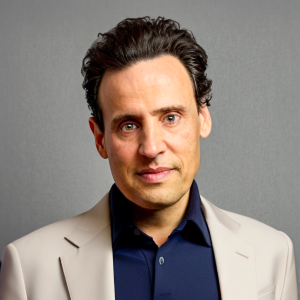
Dr. Robert Silverman’s chiropractic journey
Dr. Robert Silverman, NY-based chiropractor, author and speaker shares some insights into his career and what he’s learned along the way.
I grew up in the Bronx, which can be a very tough borough and I was a white Jewish kid with an asymmetrical neck (torticollis), and sometimes that made life difficult for me growing up. So when I turned 18, I wanted to try and correct the issue.
I saw a doctor, and he gave me three choices: Do nothing and it never goes away and it never improves. Try a surgical procedure that would leave a significant scar. Or, he said, you could try a chiropractor. Obviously, I decided to start with a chiropractor and work my way backwards.
I had a bad experience the first time I went to see a chiropractor. He wasn’t bad at his job, but he wasn’t right for me. But I decided to give another chiropractor a shot, and it changed not only my health but the trajectory of my life. That was my Mark Twain moment. I wanted to help people the way this chiropractor had helped me.
Now, my nickname is Shamash, which is the center candle in the menorah. This one candle is what we use to light all the other candles. One brightly lit candle can light 100 people’s fires.
This second chiropractor I met lit the fire in me. But my pathway wasn’t a straight line. I was finishing college and earning an accounting degree. Imagine coming home to tell your Jewish mom that you wanted to quit your accounting program and become a chiropractor. She wasn’t unsupportive necessarily, but she asked me to complete the program I was in before I made any hasty decisions.
So I did. I got a great job at IBM, and it wasn’t a bad gig. But my heart wasn’t in it. One day I decided to just stroll to my local college on my lunch break and check out their programs. And while I was there, I realized that this was it—I didn’t want to go back to IBM.
Today, I absolutely love what I do. I genuinely love it and I strive to make indelible marks in healthcare. What’s better than having an everyday mission where you can help people?
If there was anything I could go back and learn more about before starting this journey, it would be to learn how to deal with people. I thought I was really great with people, but, looking back, I had to learn how to understand people in the healthcare space.
What I mean by that is that not everyone is comfortable letting down their guard with a healthcare provider, and you have to understand how to shift your personality, your energy, to align with where your patients are at so you can help them. And always keep growing—that’s important too.
I consider myself really lucky in that most people only have one life-changing epiphany, but I’ve had two. About 10 years into my practice, I started to physically break down. My torticollis was making life very difficult. One day, in came a friend of mine with one of the first models of the low level laser. I was the first patient I tried it on. Today, I use Erchonia’s low level lasers in my practice regularly, and it has been incredible for me and for my patients. So another quality I believe every chiropractor needs is to keep an open mind, keep learning and be the catalyst for your own growth.
Things have changed a lot over the course of some decades. Chiropractors today are really breaking down preconceived notions about this profession and we have been accepted into the healthcare practitioner model. Some of us like to think of ourselves as islands, but we’re not. For instance, most of my referral source is existing patients. My number two source of referrals is medical doctors.
The American population is looking for options other than pharmaceuticals, and medical doctors see the outcomes that good chiropractors have on their patients’ health. When you work together, everyone benefits.
For any students out there who are looking to start their healthcare journey, my advice would be to understand that every single person is different and unique, and they’re coming to see you because they know chiropractors understand this. If you can gather the data you can provide treatment that is individualized and personalized to that patient’s unique condition, and it can change their lives. We call that n=1, because every person truly is a sample size of one.
Resources for staying up to date on industry trends
To further your understanding of chiropractic care and the opportunities available in New York, here are some resources for students and professionals:
New York State Chiropractic Association (NYSCA): The NYSCA is a professional organization representing chiropractors in New York, offering resources, advocacy and continuing education opportunities.
American Chiropractic Association (ACA): The ACA is the largest chiropractic organization in the United States, providing resources, education and support for chiropractors nationwide.
Association of Chiropractic Colleges (ACC): The ACC is a North American organization dedicated to excellence in chiropractic education. They offer resources and support to accredited chiropractic educational programs.
Association of Specialized & Professional Accreditors (ASPA):ASPA is a membership organization for specialized and professional accreditation agencies. They work to promote quality assurance in education and training through accreditation.
Final thoughts
Becoming a chiropractor in New York is a fulfilling journey that combines a passion for natural healing with a dedication to improving the lives of others.
A career as a chiropractor in New York offers immense personal and professional rewards. You’ll have the privilege of guiding patients toward better health, helping them find relief from pain, improve their mobility and enhance their overall well-being. You’ll be a trusted healthcare provider, empowering individuals to take an active role in their own health and embrace a natural approach to wellness.
If you’re passionate about natural healing, enjoy working with people and possess a strong desire to make a positive impact on the lives of others, a career as a chiropractor in New York could be your calling. Embrace the challenge, pursue your passion and embark on a rewarding journey toward a career that truly makes a difference. Click the find schools button to get started today.